Understanding Atmos as an uncompromising artist
‘My work as an artist Is more of a reflection of myself and how I experience the world.‘
– Which part of you is the photographer and which part is the artist and how have these parts made you the visual artist that you are today?
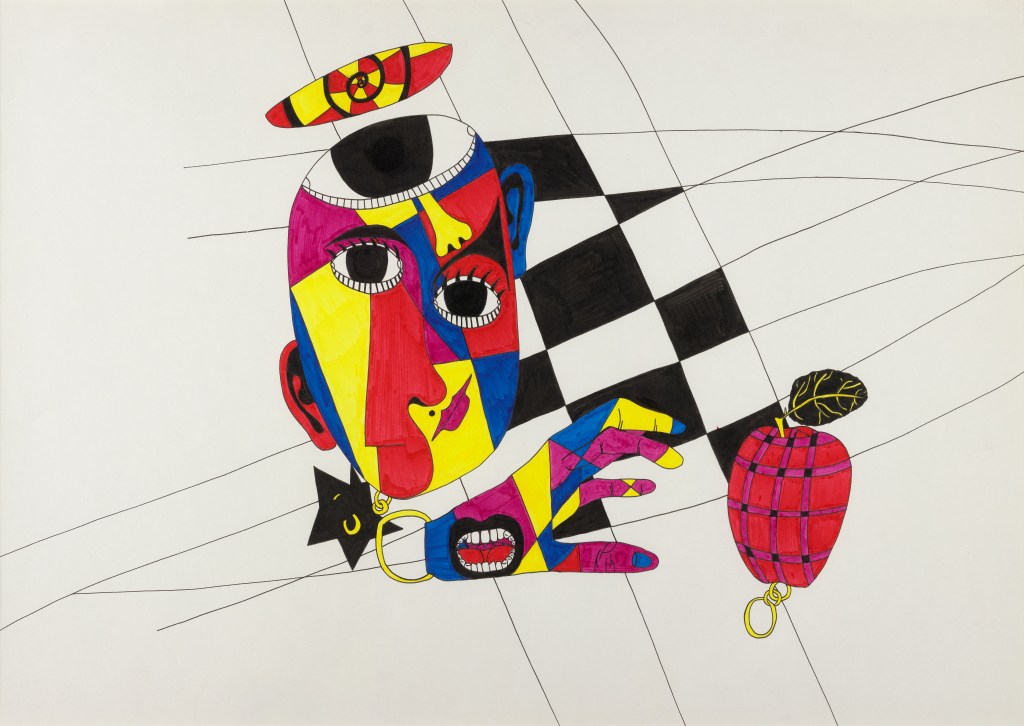
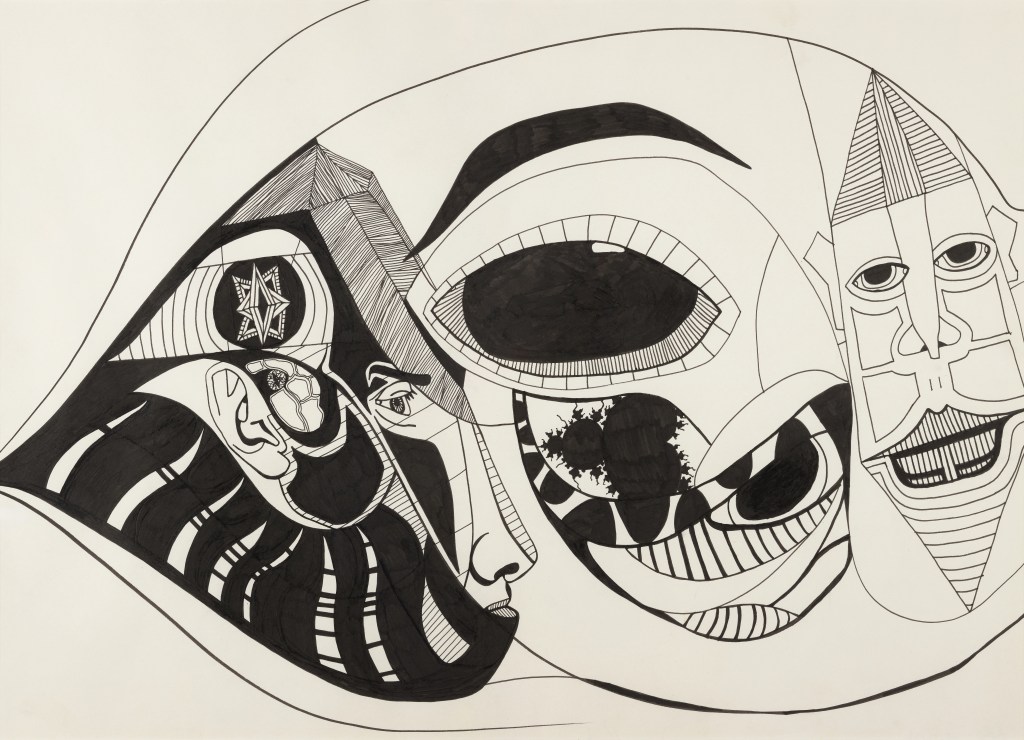
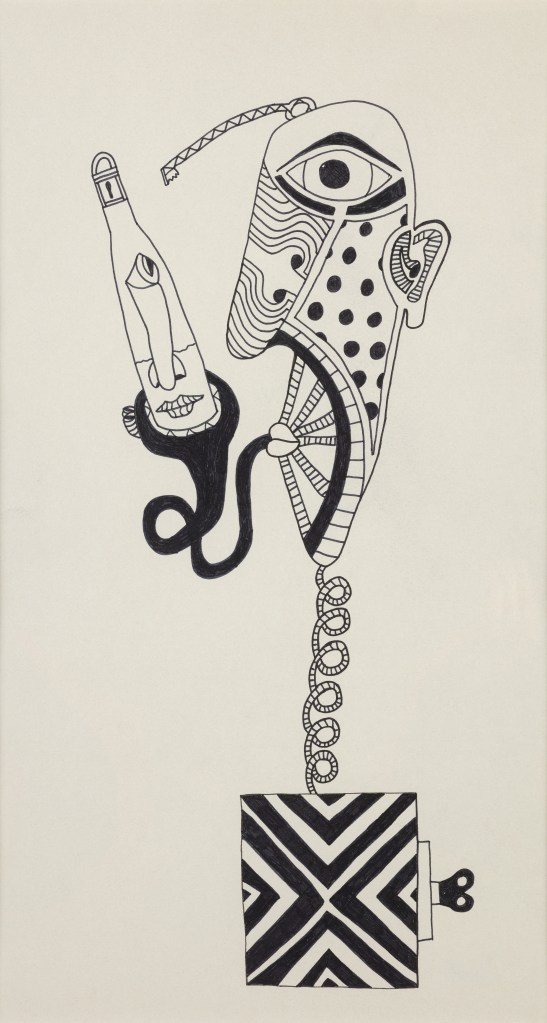
I started experimenting with drawing, painting, mixed media, and sculpture before I considered making art through the lens of photography.
The part of me that is the artist is an emotionally sensitive soul who has an innate desire to authentically express emotions and ideas through art, to be understood, and to connect with other people. I think that it is important to express our authentic self so that we can find out who we are, what we stand for, and how we can connect with other people who have a similar level of consciousness or energetic frequency. As an artist, I do not usually have a clear vision in mind of what I am working towards–my artworks often reveal themselves over time.
The part of me that is the photographer is an observer of the world who prefers a slower, more intentional way of life, and practises mindfulness in a way that complements my artistic practice. I think that it is important to live in the present moment and to develop an awareness of our surroundings. As a photographer, I usually focus on responding to subjects that already exist in the field and create photographs using a methodical approach.
The artist and the photographer parts of me work together to refine my artistic practice and strengthen my identity as a visual artist. These parts have helped me to express my authentic self through art, explore unfamiliar techniques or mediums, slow down and not rush when creating art, utilise recognised compositional tools across multiple art forms, develop my understanding of why some artworks or photographs work and others do not work, and most importantly, to trust the process and let go more often–using my intuition to guide the direction of my work.
– Who is your authentic self and what do you stand for as an artist, like you said?
My authentic self is an artist, teacher, philosophical thinker, visionary, and nonconformist. I have a growth mindset, an inquisitive nature, and I am not afraid of going against the grain.
I focus on creating art that is a true reflection of my emotions, thoughts, and ideas. It is important for me to be able to explore different mediums when creating art–this allows me to choose the most suitable medium(s) for realising each creative work. I do not believe in following trends and creating art that is designed only to sell–this is not what art is about for me. I create art that is for me in the first instance, with inspirations coming from many different eras and movements.
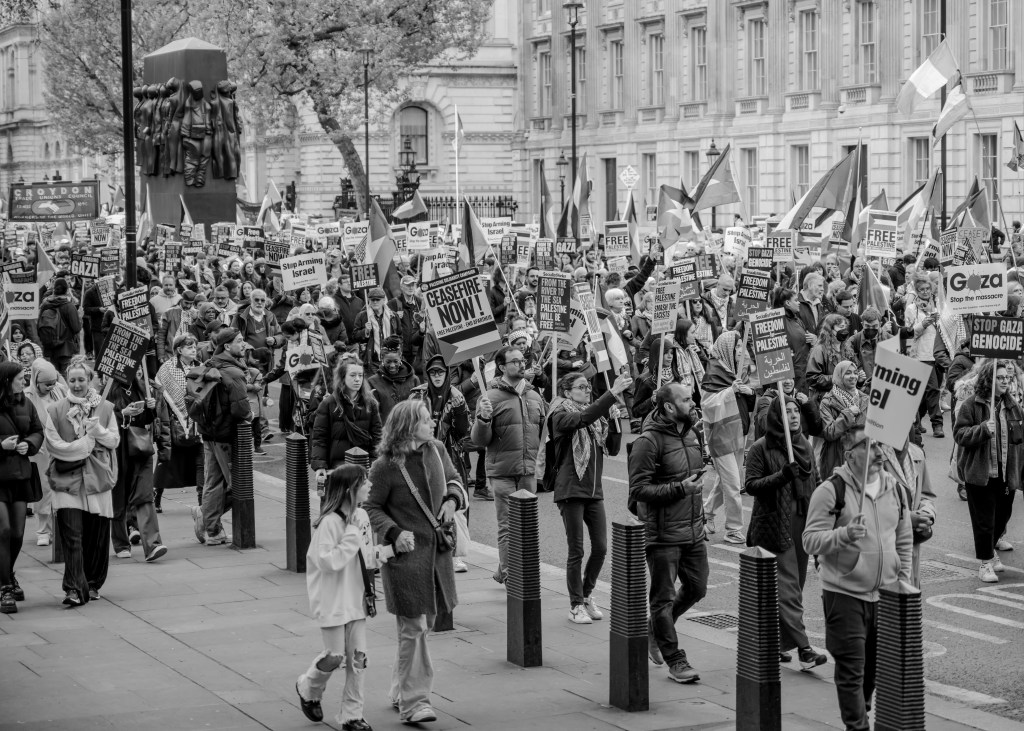
I use my voice as an artist to stand up for human and animal rights causes (such as the liberation of Palestinians and the end of animal exploitation) by raising awareness, challenging traditions or social norms, fostering empathy, and building communities. I do not blindly accept traditions or social norms. I do not believe in conforming to attitudes or behaviours solely on the principle that they have been normalised and followed for long periods of time. I think that it is important to question everything and form my own opinions on what I consider to be ethical.
In recent years, an area that has been essential to my work is my refusal to normalise generative AI art. I do not consider generative AI images to be art and I refuse to work with any publisher, gallery, or business that supports or uses generative AI art–this is primarily due to the plagiarism of artists’ work (without consent or remuneration) involved in the creation of generative AI art (in the vast majority of cases). I believe that art is inherently created by human beings. Art is not something that can be created by AI through the use of prompts and programmes. However, if we reach a point in our technological advancements where art is created by AI which has developed a consciousness of its own, I think that this would change everything–it would mean that art is no longer tied to organic life and artificial life would be able to create true art. I think that this path is inevitable, though confirming whether artificial life has consciousness is another quandary all by itself.
– Do you believe that there is a certain experience or emotion that all creatives share that makes them able to create? And what would this be for you as a creator?
I think that all creatives have experienced a considerable amount of pain or suffering and turn to art as a coping mechanism. Creating art is a form of therapy and it can be used to release trauma that is stored in the body. Traditional therapies (such as psychotherapy) are not accessible to some people at the time that they require treatment–this may be due to the cost of recurring sessions, long waiting lists, or pre-existing health conditions. Art is a more accessible form of therapy that can be carried out in solitude or as part of a collaboration with other people.
The pain and suffering that I have experienced is based on personal experiences and as a response to the suffering of others throughout the world. Personal experiences of pain and suffering include rejection, self-acceptance, addiction, perfectionism, mental health conditions (such as anxiety), and existential crises. I have also experienced pain and suffering as a response to the exploitation and abuse of animals in the animal agriculture industry and the occupation, ethnic cleansing, and genocide of Palestinians in Palestine.
– Do you think that pain and suffering is necessary to create good art or do you believe that people can be good artists without trauma? Do you believe that you would be a better artist without your painful experiences?
I do not believe that experiencing pain and suffering is necessary to create good art. Art can be used as a tool to express the complete spectrum of the human condition–not just pain and suffering.
I think that people can be good artists without experiencing trauma–if they remain dedicated to their artistic practice and continue to experiment with new ideas. There are many examples of good artworks which appear to have been created as a response to positive experiences (e.g. interactions with strangers) and positive emotions (e.g. joy).
I do not think that I would be a better artist without my painful experiences. However, I would be a different kind of artist and most of my existing artworks would cease to exist. My painful experiences have led to the creation of poems, drawings, photographs, and musical compositions. I believe that I would not have experimented with a diverse range of art mediums and genres, or be an artist at all, had it not been for my pain and suffering.
– Can you describe, as much as you can, what it is like in your mind and your workspace when you are working on a new piece?
When I am working on a new piece of art, the inner workings of my mind and my external visible workspace change, depending on the medium(s) that I am working in, the location that I am in when I feel inspired, and my approach to creating in the moment.
My mind is usually chaotic, with a flood of ideas or thoughts rapidly arriving and departing. I often have thoughts such as “Should I just keep improvising, or should I use tried and tested theoretical concepts or techniques?”; “I need to document or record this idea in some way in case I forget it”; and “What is the story being told here? Or what am I trying to say?”. When I am channelling a new idea, I feel that I cannot move on until I record it in some way. I cannot be in the present moment for other areas in my life until I have gone through this process. When I have the opportunity to explore a new idea further, I occasionally get into the flow state. When I am in the flow state, the world around me practically ceases to exist, as I am immersed in the creative process and tuned in to the universe. I think that this experience is akin to being in an altered state of consciousness.
My workspace is usually my home studio. I often sit at the desk in my studio and develop an idea on my laptop. Sometimes, I sit on the bed in my bedroom with a musical instrument and experiment with different chords or riffs. Outside of home, my workspace is usually a café or in the field (e.g. urban environments with unique architecture or landmarks). When I am working on visual art, prose, or poetry, I usually listen to instrumental albums or playlists–this helps me to stay focused and alert. In my workspace, there may be notebooks or sketchbooks, pens or pencils, a laptop, musical instruments, a tablet, and a phone. I often use the Voice Memos application on my phone or tablet for recording musical ideas; I also use the Notes application for writing lyrics, poems, and jokes. My workspace can appear to be organised and tidy or cluttered and messy–it depends on the day and the idea that I am working on.
– Would you say that there are any creatives in the past or present whose work echoes the same emotions and messages as yours and why?
Yes. There are many creatives in the past or present whose work echoes the same emotions and messages as my work. Some of these creatives include Roger Waters, David Gilmour, Richard Wright, and Nick Mason, musicians from the band Pink Floyd; Alex Grey, a visual artist known for his spiritual and psychedelic artworks; Chester Bennington, lead vocalist of the band Linkin Park (1999–2017); and Misan Harriman, a protest photographer known for his powerful black-and-white photographs and his solo exhibition titled The Purpose of Light. My subjective interpretations of the works made by these creatives can be found below.
Pink Floyd’s music and lyrics have messages of being grateful for life and to “Look around, choose your own ground”; living life on your own terms; not conforming to social norms and how society tells us how we should think, feel, and act; thinking for yourself and making your own decisions; the senselessness of war; the subject of death.
Alex Grey’s visual art suggests that other dimensions or states of being exist and that not everything is as it seems. His work is like a map of consciousness, with each artwork revealing knowledge and insights gained from altered states of consciousness. His visual art invites a discussion about spirituality, consciousness, and what we perceive to be reality.
Chester Bennington’s lyrics and vocal performances encompass the struggles of depression, self-doubt, internal conflict, anguish, and discomfort; feelings of isolation and belonging (e.g. “I want to find something I’ve wanted all along / Somewhere I belong”); overcoming addiction and “breaking the habit”.
Misan Harriman’s photography highlights the importance of unity and togetherness; resisting oppression; standing up for the rights of other people–even if you are not directly affected by the root cause of their suffering. His work suggests that there are still many empathetic people in the world and that there is still hope for the future.
Together, the works created by these creatives embody emotions and messages such as authenticity and nonconformity; pain and suffering; freedom and oppression; gratitude and mindfulness–emotions and messages which can be found within my own creative work.
Join the Newsletter
Connect with Atmos
To follow Atmos, you can find social media profiles here:
Read other articles in the issue
- 1002-Monthly Issue
- 1003-Monthly Issue
- 1006-Monthly Issue
- 1007-Monthly Issue
- 1008-Monthly Issue
- 1009 – Monthly Issue
- 1010-Monthly Issue
- Aaron Murdoch
- About Us
- Ali Ashhar
- Ali Ashhar – The Deal
- Alistair Thaw
- Amber Greene
- Andrea Simpson
- Anita Cruz
- Anthony Raymond
- Anya Nagle
- Authors
- Axton Mitchell
- Become a Manic Author
- Become a mentor
- Bethany Camille James
- Chris Foster
- Cleo Griffith
- Contact the maniacs
- Corvus
- Creative Match
- Creative Match
- Creative Match 2025 Winners
- Creative Match winner 2025 – Poetry
- Creative Match winner 2025 – Prose
- Creative Match: Prose winners interview
- Daniel Christensen
- Danny D Bennett
- Darshanika Panda
- Darshanika Panda – Condolences, Smoke and Lilies
- Darshanika Panda – Red sediments on riverbed
- Darshanika Panda – Yet the doves of Kabul sing
- David Stanley
- Debadrita Sarkar
- Debadrita Sarkar – Spring Can Fade
- Dibyangana Maji
- Doris AC Johnson
- Doug Walters
- Doug Walters – Phosphenes
- Doug Walters – When the armor comes off
- E. C. Traganas
- Egede Deborah Michael
- EiiGee PiiGee
- EiiGee PiiGee – Is it okay?
- EiiGee PiiGee – Where
- Elizabeth Moroz
- Elizabeth Moroz – Alchemy of the answers
- Erica Willis
- Esther Adebayo
- Esther Elliot
- Franklin Dandridge
- Franklin Dandridge – At the corner of Lakeview and Deming
- Franklin Dandridge – Garden of Need
- Franklin Dandridge – Polished
- Gershom Chagall
- Grace Lee
- Grace Lee – Spellbound
- Grant Foxon
- Hannah Clare Jellen
- Hannah Clare Jellen – April 1993
- Hannah Clare Jellen – The Deer’s Altar
- Heledd Haf Howells
- Ivan A. Salazar
- J.H
- Jay
- Jayden Alexander
- Jess Logan
- Jess Logan – Indentured
- Jess Logan – Vanilla Sunscreen
- Jesstake on Process, Politics, and Personal Truth
- John Swofford
- Julieta Corpus
- K.G. Munro
- Kat Welch
- Katharine Cossham
- Kathyrn Holeton
- Keith Burkholder
- Kimutai Allan
- Kit Fruscione
- Kuljot Harar
- Kuljot Harar – The Insomniac Lyre
- Louise Kerr
- Lucy Vivienne Martin
- Lucy Vivienne Martin – YIN AND YANG
- M. Anne Avera
- M. Anne Avera – 1000 1st St N*
- M. Anne Avera – Miles to Go
- M. Anne Avera – October
- Manic Poetry
- Melanie Hess
- Memories of my youth- And Now – You’ve Come Back
- Memories of my youth- Lexapro Lovers
- Memories of my youth- Toronto The “Good”
- MK Kuol
- MK Kuol – if you cannot
- MK Kuol – Little Prayers
- Mk Zariel
- Mohua Chinappa
- Nafisa Tabassum
- Nafisa Tabassum – The Third Eye
- Nafisa Tabassum – You
- Nathaniel Terrell
- Nicholas Viglietti
- Olamide Shobowale
- Patrick Bourke
- Peter Shukie
- Peter Shukie – One Hundred and Twenty Year Old Rhubarb
- Peter Stewart
- Peter Stewart – Fastest Breakfast Cook in America
- Phil Vas
- Poets
- R.M. Marques
- Randy Zuniga
- Raymond Brunell
- Raymond Brunell – The Inheritance Fraud
- Regina Keough
- Riley Briays
- Riley Briays- Burnt Alleys
- Riley Shin
- Riley Shin – Broad Shoulders
- Robin T Dake
- Sadiya Ali
- Sadiya Ali – In My Bed
- Sadiya Ali – Summer Haze
- Sadiya Ali – Trust Fund Jack
- Sarah Butkovic
- Siobhan M Whelan
- Sonia Nicholson
- Stephen Ferry
- Stephen House
- Stories
- Support Us
- Taro Williams
- The Art of Layers: A Photographer’s Transformation into a Printmaker
- Tiffany Green
- Tim Boardman
- Tim Boardman – An Angel in Morrisons
- Tim Boardman – Fly in the Gallery
- Tim Boardman – Inheritance
- Tim Boardman – Midway
- Tim Boardman – Practical Wear
- Tim Boardman – The Accidental Art Walk
- Tukur Ridwan
- Tyler Jackson
- Uzomah Ugwu
- Valérie Piché
- View By Issue
- Vivienne Timchenko
- Vivienne Timchenko – A Notebook and I Traveled the World – Mexico
- Zazie Kanwar-Torge
- Zazie Kanwar-Torge – The Hour Collapses Inward
 ManicWorld Magazine